Every spring at Carlette Farm we notice the same thing: as the days get longer and warmer, the bees and butterflies start to appear—but there isn’t always enough food for them. That’s where No Mow May comes in: a simple yet powerful conservation idea that fits with our values of stewardship, habitat creation, and thoughtful land management.
What Is No Mow May?
At its core, No Mow May is a campaign that encourages people to avoid mowing their lawns during the month of May so that wildflowers and spring blooms can grow and provide food and habitat for pollinators like bees, butterflies, and other insects. The idea originated in 2019 with the UK conservation charity Plantlife, and has since spread to communities across North America.
- For the official UK origins and details: Plantlife’s campaign page — https://www.plantlife.org.uk/campaigns/nomowmay/
- An overview from Bee City USA: What No Mow May is and how it spread — https://beecityusa.org/no-mow-may/
Why It Matters for Pollinators and Farms
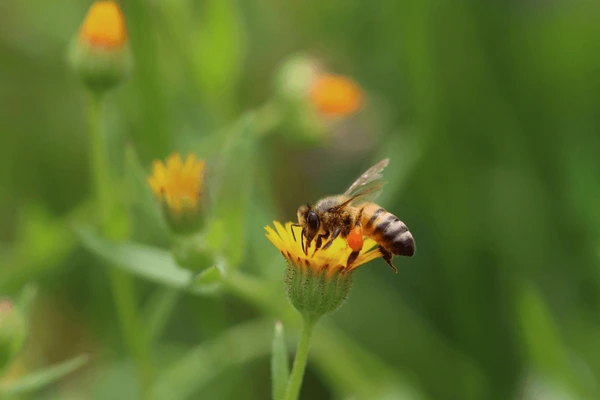
Many pollinators emerge in early spring when few flowers are blooming. A lawn left to grow untreated throughout May can host a variety of “weeds” like clover and dandelions that actually provide nectar and pollen during a critical time for insects.
There’s scientific evidence that these unmown spaces do support pollinators: a community science study in Appleton, Wisconsin found that properties participating in No Mow May had three times higher bee species richness and five times higher bee abundance compared with regularly mowed areas.
Pollinators aren’t just pretty visitors — on a farm, they’re essential. Bees and other insects help pollinate vegetables, berries, and flowering crops. Giving them a boost in May can help the entire ecosystem flourish throughout the growing season.
Criticism and Realities: A Nuanced Practice
No Mow May isn’t perfect, and conservationists are the first to say it’s only a starting point.
-
Some experts point out that May alone isn’t enough — if you just let grass grow and then mow it all down in June, the benefit to pollinators might be short-lived.
-
In places where lawns are mostly turfgrass with few flowering plants, there may be limited resources for insects even if you don’t mow.
-
Some turfgrass specialists argue that intentional planting of pollinator-friendly plants and thoughtful mowing practices year-round can be more effective than simply skipping one month.
That said, the conversation that No Mow May sparks — about what healthy land, pasture, and yard really look like — is as valuable as the practice itself for farms like ours.
How Carlette Farm Approaches No Mow May
Here at Carlette Farm we see No Mow May as an invitation to rethink how we manage land:
-
We delay mowing certain fields and paddocks in May, especially around hedgerows and wildflower patches.
-
We plant nectar-rich species that will bloom through the season, making our property a more dependable resource for bees.
-
We talk with neighbors and fellow farmers about pollinator health, habitat balance, and why biodiversity matters.
Best Practices if You Try It
If you’re curious about trying No Mow May on your own land or lawn, here are some tips:
✔ Mix mowing strategies: Instead of letting the entire lawn go wild, consider leaving flower-rich patches unmown and mowing other areas less often.
✔ Consider height and timing: Mow less frequently and keep mower blades higher to allow more flowers to bloom.
✔ Add native plants: Planting species like clover, coneflower, or native grasses ensures real pollinator food sources, not just random lawn weeds.
Conclusion: More Than Just Grass
No Mow May isn’t a magic solution — but it opens hearts and minds to the ecological roles our land can play. For Carlette Farm, it reinforces our commitment to thoughtful stewardship and the health of the broader agricultural ecosystem.
If you’d like to learn more about No Mow May or see how communities across the world are engaging with this idea, check out these links:
-
Plantlife’s No Mow May Movement — https://www.plantlife.org.uk/campaigns/nomowmay/
-
Bee City USA: No Mow May — https://beecityusa.org/no-mow-may/
-
WWF on No Mow May and pollinators — https://wwf.ca/stories/no-mow-may-help-pollinators/
Let May be a month when nature blooms and wheels of conversation about conservation spin forward — both here on the farm and beyond.